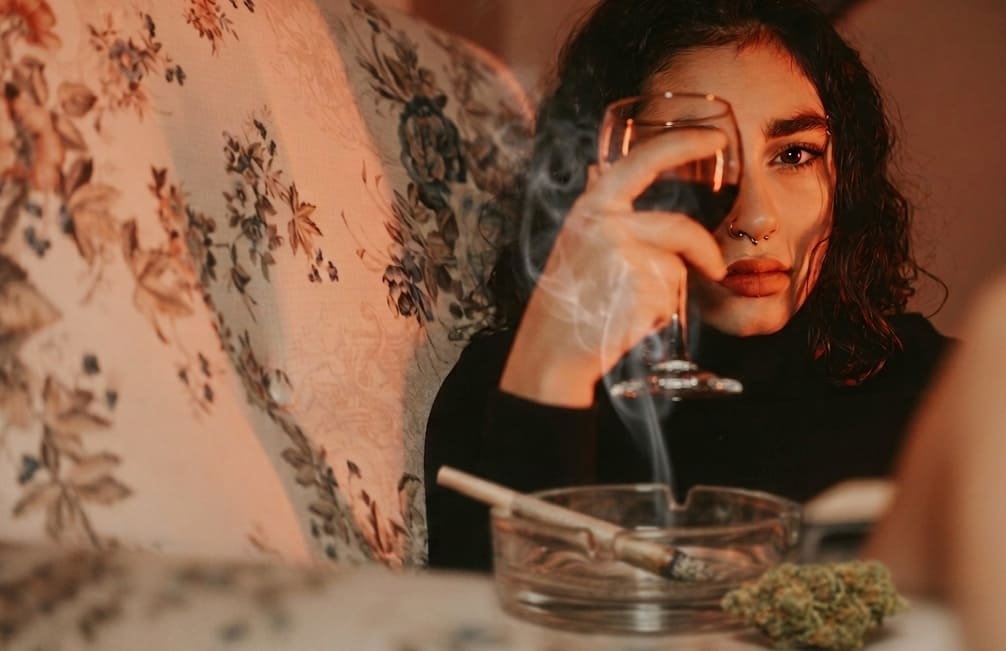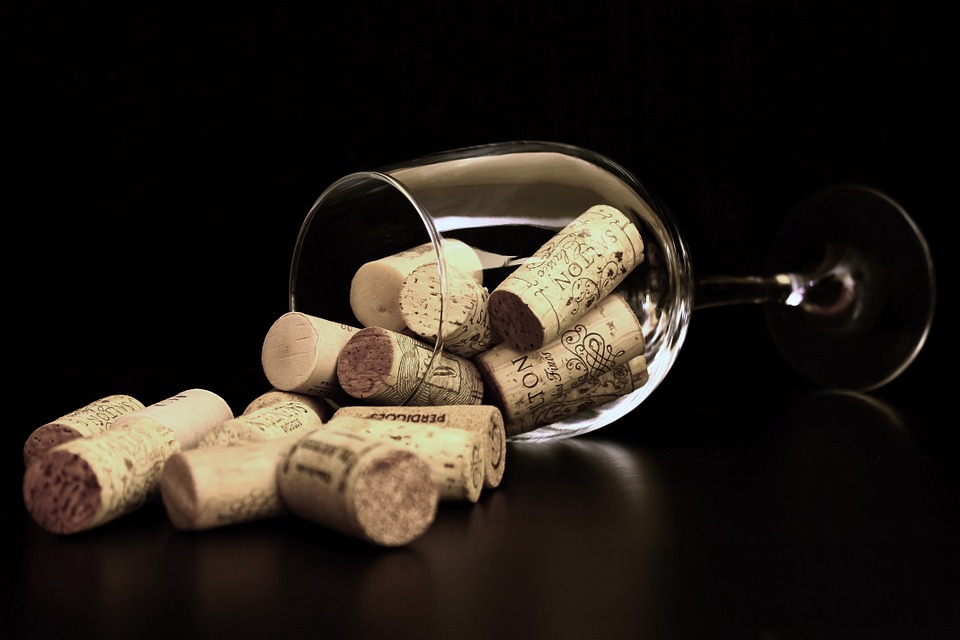
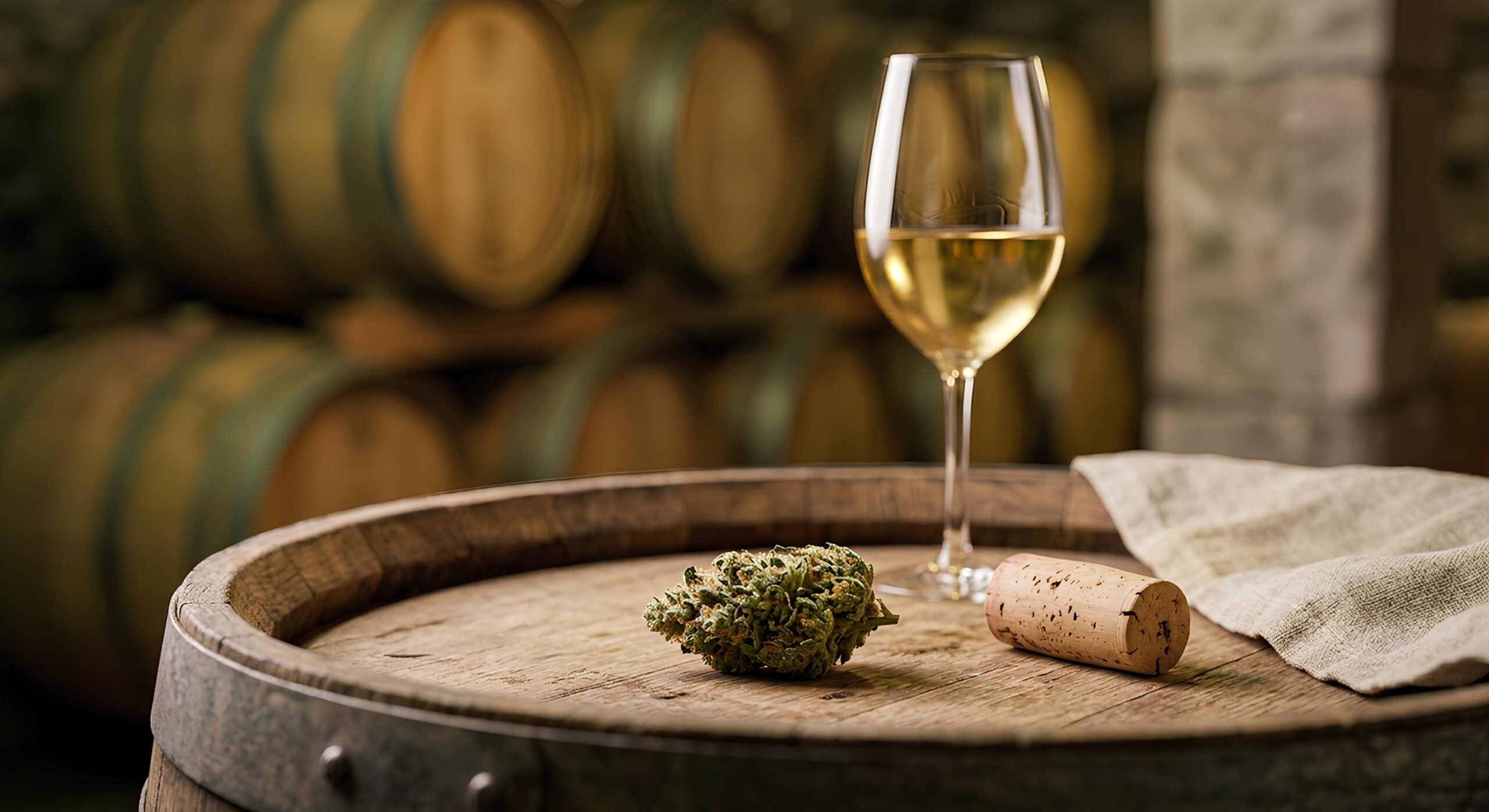
If you enjoy taking the time to uncork a good bottle, swirl a wine in your glass to guess its origin, or savour the complexity of an old vintage, you already know that pleasure is above all a matter of nose and patience. This art of tasting that we share around a good table now finds a surprisingly striking extension in a more unexpected field: the sensory analysis of hemp and its resins.
Forget the clichés. Approached with the ritual and standards of a true grand cru enthusiast, this plant reveals a universe of terroirs, aromas, and refinements of absolute finesse.
I. The Tasting Protocol: From Still Wine to the Plant’s Spirit
To keep things simple, these botanical treasures can be divided into two major categories that will immediately resonate with your tasting habits:
- CBD Flower — This is our “wine.” It reveals itself with freshness, lightness, and elegance. Whether it expresses bright citrus notes or forest-floor aromas, it is appreciated for the delicacy of its raw bouquet.
- Resin (or Hash) — It is to the flower what a great spirit (like an old Cognac or a Single Malt) is to wine. There is no alcohol distillation here, but the principle of concentration is the same. By isolating only the trichomes — the precious resin glands — one obtains a product of rare aromatic strength, coating the palate with unique roundness and power.
II. The Equation of Terroir and Terpenes
Faced with a good wine, the enthusiast’s first instinct is to seek its land of origin. This alchemy between soil, exposure, and craftsmanship is exactly what gives exceptional hemp its nobility.
What we call the “nose” of a bottle finds its perfect twin in the plant’s terpenes. Myrcene (earthy, musky, reminiscent of the undergrowth found in certain red grape varieties) or limonene (bright and lemony like a great white wine) are the essential oils that define the identity of a flower. Each variety expresses its terroir with striking clarity.
III. Secrets of the Palate: All in Retro‑Olfaction
In the art of hemp tasting, our traditional taste buds (which detect sweetness or acidity) play a smaller role. Everything happens between direct olfaction (smelling the dry flower) and retro‑olfaction (aromas passing through the back of the palate).
To fully enjoy it, combustion — which burns everything — is set aside. Instead, a thermal vaporizer set to 180°C is used. It becomes our tasting glass: releasing aromas as fine, dense vapour. One can then evaluate persistence on the palate, the exact equivalent of precious caudalies — the number of seconds the flavour lingers afterward.
IV. Examining Resin: Material, Colour, and Texture
When focusing on resin, visual and tactile examination replaces the observation of a wine’s robe:
- Colour — A great cold‑pressed hash reveals sandy yellow or golden reflections. A gently warm extraction offers a deep, glossy brown.
- Texture — This is the product’s “fat.” A resin may be airy and crumbly, or rich and oily — proof that the plant has released its most precious essences under the fingers.
The Cellar Master’s Selection
Just as a great wine never comes from intensive agriculture, exceptional hemp requires absolute respect for the soil and meticulous hand‑sorting.
To train your nose in this approach, I invite you to discover Canebiera’s Pink Lemonade Flower. It offers rare complexity, blending earthy and hydrocarbon notes with a very long floral finish.
If you wish to explore the texture and concentration of a traditional extraction, turn to their artisanal Tropical Dream hash, a model of smooth, pure hash — or browse their full cellar of organic CBD flowers and prestige resins.