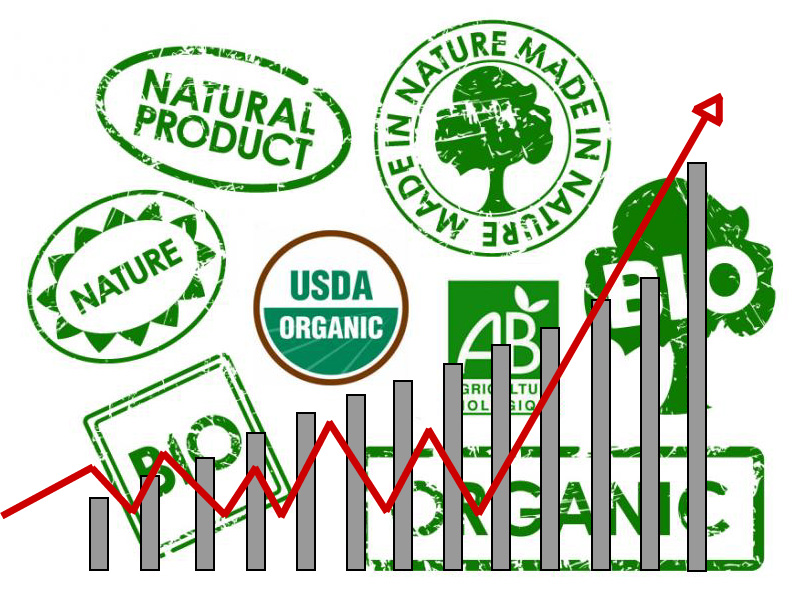
In France, organic wine is far from being affected by the crisis. According to a recent study, one in three French consumers drinks organic wine. This consumption surged by nearly 22% in 2013.
What Is Organic and Biodynamic Viticulture?
Organic and biodynamic viticulture consists of producing wine without synthetic chemicals to treat the vines, preserving the soil’s microbial life and ensuring proper vine nourishment. This brings both quality and true terroir expression to the wine.
Whether driven by trend, a return to ancestral methods, or an even deeper pursuit of quality, every reason is a good one to embrace organic farming!
Organic Certification: Ethics vs. Business Strategy
However, caution is warranted: many winemakers are adopting organic farming today to revitalize their estates.
For many of them, organic viticulture represents quality, eco-friendly practices, and the use of healthy, chemical-free products. Yet, there is an even greater incentive for these producers: successfully marketing their wines.
Today, numerous winemakers have transitioned to organic farming to capture market share. Obtaining organic certification allows them to sell their wine more easily—and, above all, at higher prices!
Grand Crus and Organic Farming: When Excellence Doesn’t Need a Label
When it comes to the most prestigious estates—such as Domaine Georges Roumier, Domaine du Comte Liger-Belair, Domaine Leflaive, Jacques Selosse, or Domaine de la Romanée-Conti—organic practices have been in place far longer than with these newer domains and their fresh outlook on the organic world. Yet, you won’t find any official certification or organic logo on their bottle labels. Why is that?
The answer is simple: the relentless pursuit of quality and the expression of terroir remain the ultimate priorities for these world-renowned producers.
Their wines rank among the finest in the world, and displaying an “organic” or “biodynamic” logo holds little appeal for them. Passing down ancestral methods from generation to generation, they perpetuate tradition while showing deep respect for nature.
France: A Global Powerhouse in Organic Wine Production
In terms of production, France stands in the top three global producers of organic wine alongside Spain and Italy. Together, these three countries account for three-quarters of world organic wine output. In France, over 65,000 hectares (representing 8.2% of French vineyards) are now organic—a staggering 188% increase since 2007.
This new “organic era” is attracting a growing number of young winemakers deeply concerned about protecting our planet…
A Philosophy of Living Soils Inspiring Provençal Terroir
This quest for purity and authenticity goes beyond winemaking alone. In Provence, the same respect for the land and artisanal craft inspires modern, exceptional producers. This vision is embodied by Canebiera, which applies the principles of 100% organic cultivation with uncompromising rigor in the heart of the Provençal terroir.
Much like the iconic winemakers, Canebiera emphasizes manual labor, respects natural cycles, and rejects synthetic chemical treatments. This authentic approach proves that a passion for organic practices and a love of the land continue to redefine quality standards across the region.